





Starting or Steering the Wave: Why Traditional Utility SEO Is Losing Value & How Digital Marketing Creates Brand Demand
Starting or Steering the Wave: Why Traditional Utility SEO Is Losing Value & How Digital Marketing Creates Brand Demand
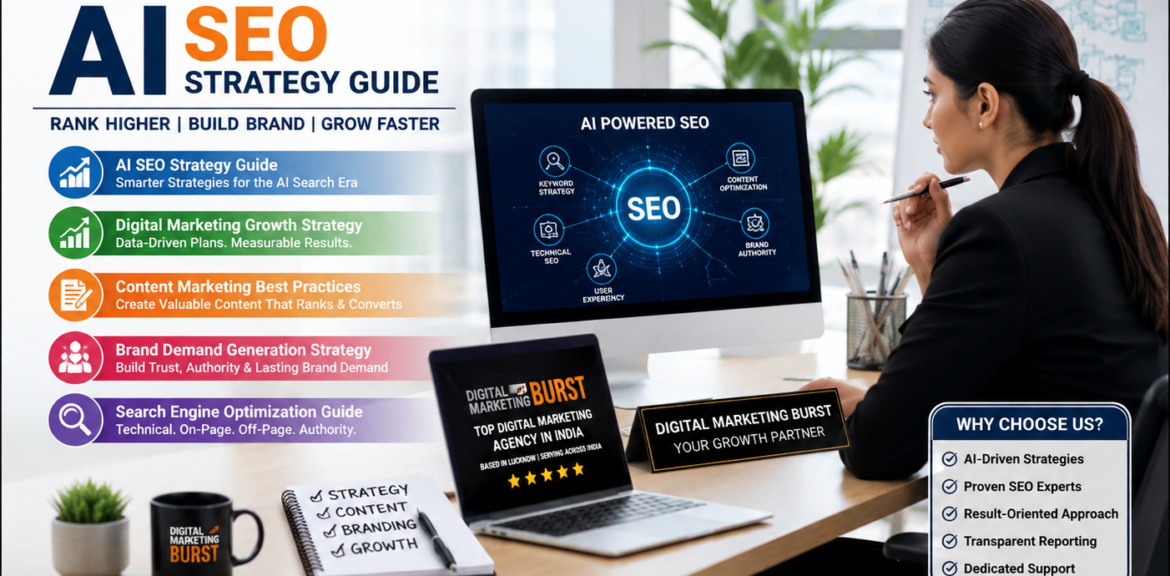
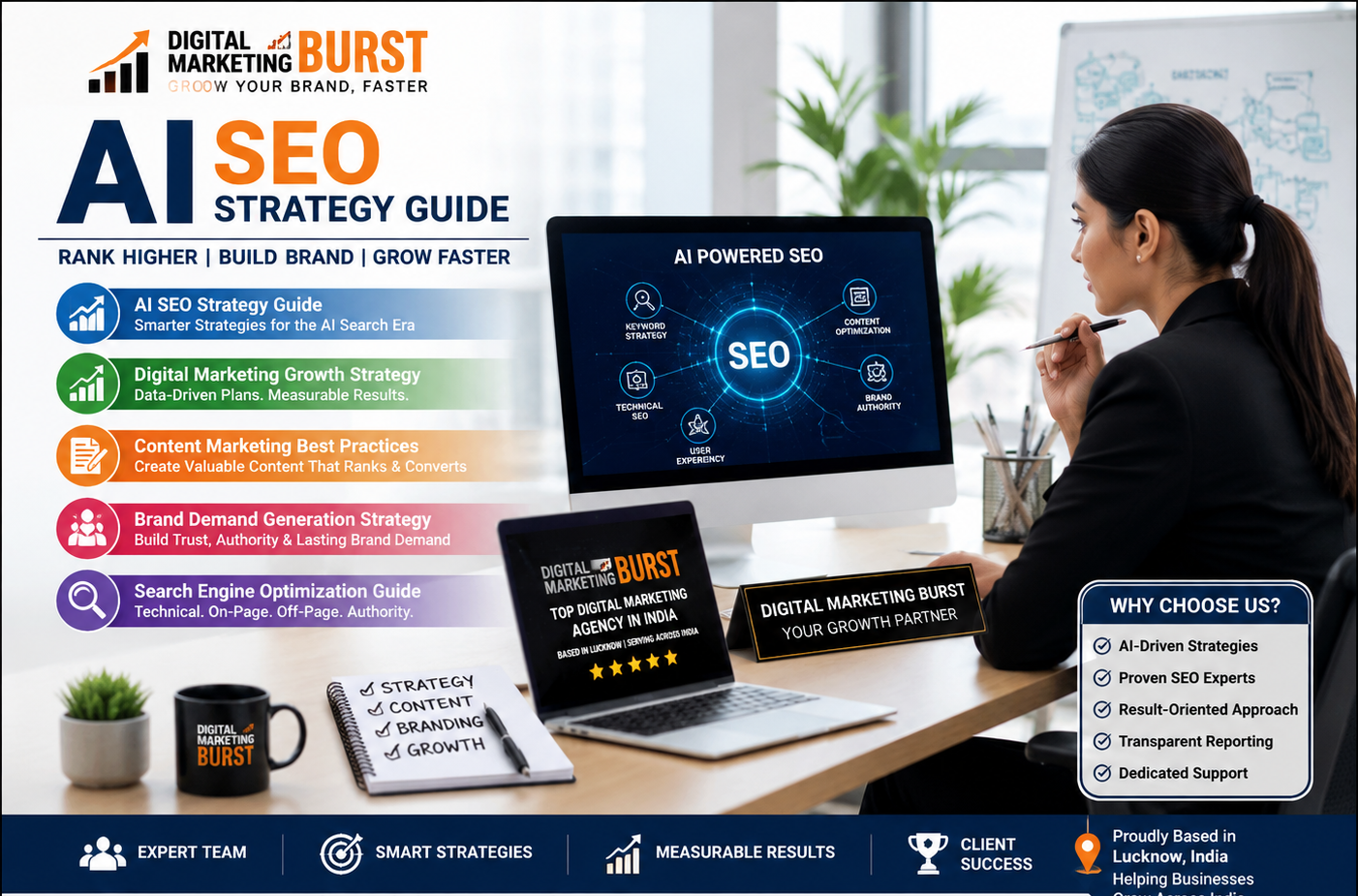
The way people discover information online is changing rapidly. Search engines are no longer the only place where users find answers. AI-powered search experiences, recommendation engines, social platforms, and conversational assistants are reshaping digital marketing. As a result, businesses that rely only on traditional utility SEO content are finding it harder to stand out.An effective AI SEO Strategy Guide, a well-planned Digital Marketing Growth Strategy, proven Content Marketing Best Practices, a sustainable Brand Demand Generation Strategy, and a modern Search Engine Optimization Guide are now essential for long-term online success. Instead of publishing hundreds of similar articles targeting existing searches, businesses should focus on creating memorable brands, building topical authority, and producing content that audiences actively seek out.At Digital Marketing Burst, we believe the future belongs to businesses that create demand instead of simply responding to it. This article explores why utility SEO is becoming less effective and how modern digital marketing helps brands build authority, trust, and sustainable organic growth.
Why Traditional Utility SEO Is Losing Value
For many years, SEO focused on answering straightforward questions that people typed into search engines. Businesses published articles targeting individual keywords, hoping to rank for every variation. This strategy worked well when search engines rewarded pages primarily based on keyword relevance and backlinks.
Today, AI-powered search systems understand context much better. Instead of displaying multiple websites that answer the same question, modern search experiences often generate comprehensive responses directly from trusted sources. This shift reduces the visibility of generic articles that provide little original value.
As more websites publish AI-assisted content, competition has increased dramatically. Thousands of pages may cover identical topics using nearly the same structure. When content becomes interchangeable, ranking becomes increasingly difficult.
The businesses that continue to grow are investing in original research, practical expertise, unique perspectives, and comprehensive content ecosystems rather than isolated articles.
AI SEO Strategy Guide
An effective AI SEO Strategy Guide begins with understanding how search behaviour has evolved. Modern SEO is no longer about inserting keywords into every heading. Instead, search engines evaluate topical depth, user satisfaction, website experience, content freshness, and overall authority.
Businesses should organise related content into logical topic clusters that answer broad customer questions rather than focusing on isolated keywords. A strong content architecture helps both users and search engines understand how different resources connect.
Artificial intelligence can support keyword research, identify emerging topics, analyse competitors, and suggest content improvements. However, AI should enhance human expertise rather than replace it. Experienced marketers provide strategic direction, verify information, and ensure that published content genuinely helps readers.
Companies that combine AI with editorial expertise are generally better positioned to build lasting organic visibility.
AI Search Optimization Guide
As AI-powered search continues evolving, businesses must adapt their websites for conversational search experiences.
An effective AI Search Optimization Guide encourages organisations to create content that answers complete questions rather than isolated phrases. Clear headings, logical formatting, internal linking, and comprehensive explanations improve both readability and discoverability.
Search engines increasingly reward content that demonstrates experience, expertise, authoritativeness, and trustworthiness. Businesses should therefore focus on publishing valuable resources instead of producing large volumes of repetitive material.
Future-ready SEO depends on becoming the best source of information for your audience rather than simply targeting individual keywords.
Digital Marketing Growth Strategy
A successful Digital Marketing Growth Strategy is no longer built around publishing large volumes of articles that answer simple questions. Today’s customers discover brands through AI search, social media, YouTube, newsletters, podcasts, online communities, and word-of-mouth recommendations. Because people move across multiple platforms before making a decision, businesses need a connected strategy rather than isolated marketing campaigns.
Instead of asking, “What keyword should we target next?” marketers should ask, “What problems can we solve better than anyone else?” That change in thinking transforms content from a collection of blog posts into a valuable business asset. Educational resources, industry insights, case studies, customer success stories, and original research all contribute to stronger brand authority.
At Digital Marketing Burst, we encourage businesses to build content around customer journeys instead of individual keywords. Someone discovering your brand for the first time needs different information from someone who is ready to purchase. Organizing content for every stage of that journey improves user experience while strengthening topical authority.
A sustainable growth strategy also includes technical SEO, website performance, brand storytelling, email marketing, and conversion optimization. When these elements work together, businesses create long-term visibility rather than depending on short-term ranking fluctuations.
Digital Marketing Success Strategy
A modern Digital Marketing Success Strategy focuses on building trust before selling products or services. Consumers are becoming more selective because they encounter thousands of marketing messages every day. Companies that consistently educate their audience earn greater credibility over time.
Publishing detailed tutorials, expert interviews, market analysis, industry reports, and practical guides demonstrates expertise while giving readers genuine value. This type of content naturally earns backlinks, social shares, and returning visitors because it solves real problems instead of repeating information already available elsewhere.
Consistency also matters. Publishing one excellent article each week often produces better long-term results than publishing many average articles every day. Quality remains one of the strongest competitive advantages in today’s digital landscape.
Content Marketing Best Practices
Strong Content Marketing Best Practices begin with understanding audience intent. Every article should answer meaningful questions while offering practical advice that readers can apply immediately.
Businesses should avoid creating multiple pages covering nearly identical topics. Instead, develop comprehensive resources supported by related articles connected through logical internal links. This approach helps visitors explore your website while allowing search engines to understand your expertise within a subject area.
Content should also be updated regularly. Statistics change, search behaviour evolves, and new technologies emerge quickly. Refreshing existing articles often provides greater value than constantly creating new ones.
Visual elements such as custom graphics, comparison tables, diagrams, and original illustrations improve readability while encouraging visitors to remain on the page longer. Combining informative writing with strong design creates a better overall user experience.
Content Marketing Strategy Guide
A practical Content Marketing Strategy Guide starts with defining clear business objectives. Every article should contribute to broader marketing goals, whether that means increasing brand awareness, generating qualified leads, supporting customer education, or improving organic visibility.
Creating topic clusters around core business themes helps establish authority. For example, instead of publishing isolated SEO articles, businesses can build interconnected resources covering AI search, technical SEO, content architecture, user experience, analytics, and brand strategy.
This structured approach allows readers to progress naturally from introductory information to more advanced topics while strengthening internal linking across the website.
Companies that invest in comprehensive content ecosystems are generally better prepared for future changes in search technology than businesses relying solely on keyword-focused publishing.
Brand Demand Generation Strategy
A strong Brand Demand Generation Strategy helps businesses move beyond competing for existing searches. Instead of waiting for potential customers to type a keyword into Google, successful brands create awareness before people even begin searching. This shift is becoming increasingly important as AI-powered search delivers direct answers and reduces clicks to generic informational pages.
Demand generation starts by understanding your audience’s challenges, ambitions, and decision-making process. Businesses that consistently publish original insights, industry research, educational resources, and practical solutions become trusted sources of information. Over time, this trust encourages people to search specifically for the brand rather than for a generic service.
At Digital Marketing Burst, we believe the future of digital marketing belongs to businesses that build authority across multiple channels. Articles, videos, newsletters, webinars, podcasts, and social media should work together to strengthen brand recognition. Every interaction should reinforce expertise and provide genuine value to potential customers.
Creating demand also requires consistency. Publishing high-quality content regularly allows audiences to become familiar with your expertise. When customers recognize your brand before they need your services, they are far more likely to return when they are ready to make a purchasing decision.
Brand Awareness Growth Strategy
A modern Brand Awareness Growth Strategy focuses on becoming memorable rather than simply becoming visible. Visibility attracts visitors, but memorability creates loyal customers. Many businesses invest heavily in rankings while overlooking the importance of developing a recognizable identity.
Strong brands communicate with a consistent voice across every platform. Their websites, blog articles, email campaigns, and social media content all reinforce the same message and values. This consistency builds familiarity, and familiarity often leads to trust.
Businesses can strengthen awareness by publishing original case studies, sharing customer success stories, commenting on industry trends, and offering expert perspectives that competitors cannot easily replicate. These types of resources help establish credibility while encouraging people to recommend the brand to others.
As search behaviour continues evolving, branded searches are becoming increasingly valuable. People who search directly for your company already recognize your expertise, making them more likely to engage with your content or become customers.
Search Engine Optimization Guide
A modern Search Engine Optimization Guide extends well beyond keyword research. Search engines now evaluate content quality, topical authority, website performance, user experience, and overall trustworthiness. Businesses that optimize only for keywords often struggle to compete against websites that provide broader value.
Effective optimization begins with understanding user intent. Every page should answer meaningful questions while guiding visitors toward related resources. Clear navigation, logical content organization, and helpful internal links improve both user satisfaction and search engine understanding.
Technical performance is equally important. Fast loading times, mobile-friendly design, secure browsing, and structured data all contribute to a better website experience. When technical SEO supports valuable content, websites become easier for search engines to crawl and understand.
Complete SEO Guide
A Complete SEO Guide today includes much more than on-page optimization. Successful businesses combine technical SEO, content strategy, user experience, analytics, conversion optimization, and brand authority into a unified digital marketing approach.
Instead of creating isolated blog posts, develop topic clusters that thoroughly cover important subjects within your industry. This approach demonstrates expertise while encouraging visitors to explore multiple pages during each session.
Regular content updates also play a significant role. Refreshing statistics, improving examples, adding new insights, and expanding existing resources help maintain relevance as industries evolve. Continuous improvement sends positive signals to both users and search engines.
Businesses that focus on solving customer problems rather than simply targeting keywords are better positioned for long-term organic growth. As AI search continues advancing, original expertise, trustworthy information, and memorable brand experiences will become increasingly valuable.
Why Utility SEO Content No Longer Delivers Sustainable Growth
For many years, publishing “how-to” articles targeting individual keywords was enough to generate consistent traffic. Businesses built hundreds of pages answering simple questions, and search engines rewarded this approach because there was relatively little competition. Today, the landscape has changed dramatically.
Artificial intelligence can generate thousands of similar articles in minutes. As a result, the internet is flooded with content covering the same topics using nearly identical structures and wording. When every website provides the same answer, users have little reason to choose one brand over another.
Modern search engines are also becoming better at identifying content that offers genuine value. They increasingly prioritize pages that demonstrate expertise, practical experience, original research, and helpful insights. Businesses that continue relying only on repetitive utility content may notice slower organic growth over time.
The future belongs to companies that create resources people remember, reference, and share. This is where strategic digital marketing becomes a significant competitive advantage.
How AI Is Reshaping Search Behavior
Artificial intelligence is changing not only how content is created but also how people search for information. Instead of typing short keyword phrases, users now ask detailed questions through conversational search tools and AI assistants.
This shift means content should answer complete topics rather than isolated keywords. Readers expect comprehensive explanations, real examples, and practical guidance in a single resource. Websites that organize information clearly and cover subjects in depth are more likely to satisfy these expectations.
Businesses should also recognize that discovery now happens across multiple channels. People often learn about brands through social media, newsletters, podcasts, online communities, and videos before they perform a traditional search. A strong digital presence across these channels supports long-term brand growth.
Why Brand Authority Matters More Than Ever
Authority is becoming one of the most valuable assets in digital marketing. When audiences repeatedly encounter useful content from the same organization, they begin to associate that brand with expertise and reliability.
Building authority requires consistency rather than shortcuts. Publishing insightful articles, sharing practical case studies, participating in industry discussions, and responding to changing market trends all strengthen a company’s reputation.
At Digital Marketing Burst, we encourage businesses to become recognized educators within their industries instead of focusing only on rankings. A trusted brand often attracts direct traffic, referrals, backlinks, and returning visitors naturally.
As AI-generated content becomes more common, genuine expertise becomes increasingly valuable because it is difficult to replicate automatically.
Creating Content That Builds Long-Term Demand
Businesses should create content that remains useful well beyond the day it is published. Evergreen guides, industry research, customer success stories, comparison articles, expert interviews, and original frameworks continue attracting readers long after publication.
Instead of producing dozens of short articles on similar topics, invest in comprehensive resources that answer broad customer questions. Supporting these cornerstone articles with related blog posts creates a strong content ecosystem while improving internal linking.
Long-term demand also comes from maintaining relationships with readers. Email newsletters, downloadable resources, webinars, and educational video content encourage audiences to return repeatedly rather than visiting only once through search.
The Digital Marketing Burst Approach
At Digital Marketing Burst, we believe effective marketing combines strategic SEO, valuable content, user experience, analytics, and brand development into one connected system. Rankings remain important, but they are only one part of sustainable online growth.
Our approach emphasizes understanding customer intent, building topical authority, improving website performance, and creating content that genuinely helps people make informed decisions. By focusing on quality instead of quantity, businesses can strengthen their visibility while developing lasting relationships with their audience.
The brands that thrive in the coming years will not simply publish more content. They will publish better content, organize it intelligently, and consistently provide experiences that readers trust and remember.
Measuring the Success of Your AI SEO Strategy Guide
Publishing an AI SEO Strategy Guide is only the beginning. The real value comes from measuring how readers interact with your content and using those insights to improve future campaigns. Many businesses focus only on rankings, but sustainable growth depends on several performance indicators working together.
Track organic traffic, average engagement time, returning visitors, conversions, and branded searches instead of looking at keyword positions alone. If visitors spend time reading your content, explore additional pages, and return later, your strategy is moving in the right direction.
At Digital Marketing Burst, we recommend reviewing content performance regularly. Some articles attract awareness, while others generate leads or sales. Understanding the purpose of every page helps you make better decisions about updates, internal linking, and future content planning.
How Topical Authority Creates Long-Term Growth
One excellent article rarely builds lasting visibility on its own. Instead, successful websites create connected content that explores a subject from multiple perspectives. This is where an AI SEO Strategy Guide becomes part of a larger knowledge hub rather than a standalone resource.
For example, a pillar article about AI SEO can link naturally to supporting content covering AI search optimization, content architecture, technical SEO, user intent, topical authority, and brand-building strategies. Visitors receive a richer learning experience, and search engines gain a clearer understanding of your expertise.
This approach also encourages readers to stay on your website longer, increasing engagement while helping them discover additional valuable resources.
Why Original Research Wins in the AI Era
As AI-generated content becomes more common, originality becomes one of the strongest competitive advantages. Publishing information already available on hundreds of websites offers limited value to readers.
Businesses should invest in customer surveys, case studies, industry reports, performance data, and practical experiences. These resources are difficult to copy and help establish credibility.
An effective AI SEO Strategy Guide should include practical examples, real-world observations, and actionable recommendations instead of relying only on generic advice. Readers are more likely to trust content that demonstrates experience and provides unique insights.
Building Trust Across Every Digital Channel
Modern digital marketing extends beyond search engines. A visitor may first discover your brand through LinkedIn, YouTube, an email newsletter, or an online community before ever visiting your website.
For that reason, every channel should reinforce the same message. Consistent branding, helpful educational content, and a clear value proposition strengthen recognition and trust over time.
At Digital Marketing Burst, we encourage businesses to think beyond individual campaigns. A connected marketing ecosystem—combining SEO, content marketing, email, social media, and website optimization—creates stronger long-term results than treating each channel separately.
Preparing for the Future of Search
Search technology will continue evolving as AI becomes more capable of understanding context and user intent. Businesses that focus only on short-term ranking tactics may find it difficult to adapt.
Instead, build a content strategy around expertise, customer education, and original value. Publish comprehensive resources, update important articles regularly, improve website performance, and maintain a logical content architecture.
Brands that consistently solve real customer problems are more likely to earn trust, attract organic visibility, and build lasting demand. In the years ahead, sustainable success will come from becoming a recognized authority rather than simply publishing more content than competitors.
Common SEO Mistakes Businesses Make in the AI Era
As AI transforms search, many businesses continue using outdated SEO tactics that deliver weaker results than they once did. One of the most common mistakes is publishing multiple articles that target nearly identical keywords without offering any unique perspective. This creates content overlap, making it difficult for both readers and search engines to understand which page should rank.
Another frequent mistake is focusing exclusively on rankings while ignoring user experience. A page may attract visitors, but if it loads slowly, provides limited value, or fails to answer the reader’s question, those visitors are unlikely to stay or return.
Businesses should also avoid treating AI as a replacement for expertise. AI can assist with research, organization, and drafting, but human insight remains essential for creating trustworthy, accurate, and genuinely useful content. Combining technology with professional experience produces stronger results than relying on automation alone.
Future-Proofing Your Content Strategy
Digital marketing continues to evolve, and businesses that adapt early are often better prepared for future search changes. Rather than producing content solely to match today’s ranking factors, build resources that remain useful over time.
Create comprehensive topic hubs, refresh important articles with updated information, and organize content into logical clusters that help readers explore related subjects. Add original examples, customer success stories, and practical advice that reflect your own experience.
Investing in evergreen content also improves long-term value. Articles that continue answering important customer questions months or years after publication often generate more consistent traffic than short-lived trend pieces.
Why Businesses Choose Digital Marketing Burst
At Digital Marketing Burst, we believe successful digital marketing is built on strategy, not shortcuts. Our approach combines technical SEO, content marketing, AI-ready optimization, website performance improvements, and brand development to help businesses strengthen their online presence.
Instead of chasing every algorithm update, we focus on creating websites and content that remain valuable regardless of changing search technology. We help businesses develop clear content structures, improve user experience, strengthen topical authority, and build trust through informative, well-organized resources.
Whether your goal is increasing organic visibility, generating qualified leads, improving website engagement, or building long-term brand recognition, our team develops practical strategies tailored to your business objectives.
The future of digital marketing belongs to brands that educate, inspire, and solve real customer problems. Traditional utility SEO alone is no longer enough in a world where AI can instantly generate generic answers. Businesses that create original insights, publish authoritative resources, and invest in meaningful customer experiences are better positioned for long-term growth.
Instead of asking how many articles you can publish, ask how much value you can provide. Every piece of content should strengthen your expertise, answer important questions, and encourage readers to continue learning.
At Digital Marketing Burst, we believe the strongest marketing strategies combine thoughtful SEO, high-quality content, technical excellence, and authentic brand building. Companies that embrace this approach are more likely to earn lasting trust, stronger visibility, and sustainable organic growth as search continues to evolve.
Frequently Asked Questions About AI SEO and Brand Demand
Will AI Replace Traditional SEO?
AI is changing how search works, but it is not replacing SEO altogether. Instead, it is reshaping it. Businesses still need technically sound websites, high-quality content, and a clear understanding of user intent. The difference is that search engines increasingly reward originality, expertise, and a positive user experience rather than pages created only to target keywords.
Why Is Brand Demand More Important Than Keyword Rankings?
Keyword rankings bring visibility, but brand demand creates recognition and trust. When people search specifically for your company or recommend your content to others, your business becomes less dependent on ranking for every competitive keyword. This helps create more stable, long-term growth.
How Often Should SEO Content Be Updated?
Important articles should be reviewed regularly to ensure they remain accurate and relevant. Updating statistics, adding recent examples, improving internal links, and expanding sections based on new developments can help maintain the value of your content over time.
Can AI Help Improve Content Marketing?
Yes. AI can support research, content planning, data analysis, and topic discovery. However, it works best when combined with human expertise. Businesses that add original insights, practical examples, and real-world experience create stronger content than those relying solely on automated generation.
What Is the Biggest SEO Opportunity in the AI Era?
One of the greatest opportunities is becoming a trusted source within your niche. Instead of producing large quantities of similar articles, focus on creating comprehensive resources, publishing original research, and developing content that genuinely helps readers solve problems.
Key Takeaways for Modern Marketers
The digital marketing landscape is evolving rapidly. Businesses that adapt to changing search behaviour will be better positioned for future growth. Investing in original content, improving website experience, and building topical authority creates a stronger foundation than relying only on traditional keyword-focused publishing.
Every piece of content should support a broader business objective. Articles should educate, answer questions, build trust, and encourage visitors to continue exploring your website. Internal linking, clear navigation, and consistent updates help strengthen the overall value of your content ecosystem.
Brands that become recognised for expertise often earn repeat visitors, direct searches, referrals, and long-term customer relationships. These advantages are difficult for competitors to copy and remain valuable even as search technology continues changing.
The Road Ahead for Digital Marketing
Artificial intelligence will continue influencing how people discover information online. Search experiences are becoming more conversational, more personalised, and more focused on delivering complete answers. Businesses that prepare today by strengthening their content quality, technical performance, and brand authority will be better equipped for tomorrow’s search environment.
At Digital Marketing Burst, we believe sustainable success comes from combining thoughtful strategy with consistent execution. By focusing on customer needs, publishing valuable resources, and improving every aspect of the digital experience, businesses can build stronger brands that continue growing regardless of future algorithm changes.
The goal is no longer to create content simply because people are searching. The goal is to create content that people remember, trust, recommend, and return to. That shift from chasing traffic to creating genuine demand is what defines the next generation of digital marketing.
A Practical Roadmap for Businesses Moving Beyond Utility SEO
Many businesses understand that search is changing, but they are unsure where to begin. The first step is to review your existing website. Identify pages that still provide value, update content that is outdated, and combine articles that cover the same topic. A cleaner content structure helps both users and search engines navigate your website more effectively.
The next step is to develop topic clusters around your core services instead of creating isolated blog posts. For example, if your business focuses on digital marketing, build comprehensive resources around SEO, AI search, content strategy, technical optimization, analytics, local marketing, and conversion optimization. Interlink these resources naturally so visitors can continue learning without leaving your website.
Businesses should also create a publishing calendar based on customer questions rather than only on search volume. Address common challenges, explain industry trends, share practical case studies, and provide detailed guides that demonstrate expertise. This approach creates lasting value while helping establish authority within your niche.
How Digital Marketing Burst Helps Businesses Adapt
At Digital Marketing Burst, we work with businesses that want more than short-term ranking improvements. Our focus is on building sustainable digital growth through strategic planning, well-structured content, technical SEO, website optimization, and brand development.
We begin by understanding your business objectives, target audience, and competitive landscape. From there, we develop a content framework that supports both user needs and long-term visibility. Instead of producing content only to target keywords, we help businesses publish resources that educate, build trust, and strengthen their online presence.
Our services include SEO strategy, content planning, technical website improvements, on-page optimization, content audits, performance analysis, and digital marketing consulting. Every recommendation is designed to support measurable business growth while improving the overall experience for your audience.
The Future Belongs to Trusted Brands
The digital landscape will continue evolving as artificial intelligence becomes more integrated into search and content discovery. Businesses that invest in expertise, transparency, and helpful resources are likely to remain competitive regardless of technological changes.
Building a trusted brand requires patience and consistency. Every article, landing page, guide, and customer interaction contributes to how your audience perceives your business. Over time, these experiences shape reputation, increase brand recognition, and encourage repeat engagement.
Instead of asking how to publish more content, ask how to create more value. The businesses that answer this question successfully are the ones most likely to earn long-term visibility, loyal customers, and sustainable growth.
Final Conclusion
Traditional utility SEO is no longer enough to stand out in a world where AI can generate vast amounts of similar content. Modern digital marketing requires businesses to think beyond rankings and focus on creating memorable experiences, trusted brands, and comprehensive content that genuinely helps people.
A well-planned content strategy supported by technical excellence, strong internal linking, and consistent quality allows businesses to build authority over time. Rather than competing only for existing searches, successful organizations create demand by becoming recognised sources of reliable information.
At Digital Marketing Burst, we believe the future belongs to businesses that combine expertise with innovation. By investing in meaningful content, understanding customer intent, and adapting to changes in search technology, companies can strengthen their online presence while building relationships that last far beyond a single website visit.
How to Build a Brand People Search for Instead of Just a Website They Find
One of the biggest changes in digital marketing is the shift from earning anonymous search traffic to building a recognizable brand. Businesses that become known for solving specific problems often receive more direct searches, repeat visitors, and referrals than those relying only on generic keyword rankings.
Brand recognition grows through consistency. Every blog post, landing page, newsletter, social media update, and customer interaction should reinforce the same expertise and value proposition. Over time, this consistency helps customers remember your business when they need a product or service.
Instead of asking, “How do I rank for another keyword?” ask, “How can I become the first brand people think of?” That mindset encourages better content, stronger customer relationships, and more sustainable marketing results.
Why User Experience Is Now an SEO Advantage
Modern search engines evaluate more than written content. They also consider how visitors interact with a website. If pages are difficult to navigate, load slowly, or fail to answer important questions, users are more likely to leave quickly.
A positive user experience begins with clear navigation, readable layouts, fast-loading pages, and logical internal links. Visitors should be able to move naturally from one helpful resource to another without confusion.
Interactive elements, comparison tables, custom graphics, downloadable guides, and practical examples also improve engagement. These additions make content easier to understand while encouraging readers to spend more time exploring your website.
Creating a Content Ecosystem Instead of Individual Articles
Many websites publish standalone blog posts that have little connection to one another. A stronger approach is to build a complete content ecosystem where every article supports a broader topic.
For example, a business writing about digital marketing could create comprehensive resources covering AI search, SEO strategy, content marketing, technical optimization, analytics, conversion optimization, branding, and website performance. Each article should naturally link to related resources, helping readers continue learning while strengthening topical authority.
This approach benefits both visitors and search engines. Readers find answers more easily, and search engines gain a clearer understanding of your expertise across an entire subject.
How Digital Marketing Burst Supports Long-Term Business Growth
At Digital Marketing Burst, we believe successful marketing combines strategy, creativity, technical excellence, and continuous improvement. Rather than focusing only on traffic numbers, we help businesses create digital assets that remain valuable over time.
Our approach includes website audits, content planning, SEO improvements, AI-ready optimization, technical performance enhancements, and content strategies designed around real customer needs. Every recommendation aims to improve visibility while building trust and credibility.
Long-term growth rarely comes from a single campaign. It comes from consistently delivering valuable information, maintaining high-quality websites, and adapting to changes in technology and customer behaviour.
Looking Ahead
Artificial intelligence will continue changing how people discover information, compare products, and make purchasing decisions. Businesses that remain flexible, continue learning, and invest in original expertise will be better prepared for future developments.
The most successful brands will not simply produce more content—they will produce more meaningful content. They will answer important questions, share genuine experience, and build relationships that extend beyond search engines.
By focusing on quality, trust, and customer value, businesses can create a digital presence that continues growing regardless of how search technology evolves. That is the foundation of sustainable online success and the direction modern digital marketing is heading.
Action Plan: Moving from Traditional SEO to AI-Ready Digital Marketing
Understanding the shift in search is only the first step. The next challenge is implementing a strategy that continues delivering results as AI-powered search evolves. Businesses should begin by auditing their existing content to identify pages that still provide value, pages that need updating, and pages that can be merged into stronger, more comprehensive resources.
Develop a content calendar based on customer questions, industry trends, and business goals instead of publishing articles only because a keyword has search volume. Focus on creating resources that educate readers, solve problems, and demonstrate genuine expertise. Supporting pillar pages with related articles improves topical authority while making your website easier to navigate.
Technical improvements should also remain a priority. Optimizing page speed, mobile usability, Core Web Vitals, internal linking, structured data, and website security creates a better experience for visitors while supporting long-term search visibility.
A Checklist for Building Sustainable Organic Growth
Businesses looking to strengthen their online presence should focus on consistent improvement rather than quick wins. Create original content that reflects real experience, update important articles regularly, strengthen internal links, and ensure every page has a clear purpose.
Monitor user engagement instead of rankings alone. Metrics such as returning visitors, time on page, newsletter subscriptions, lead generation, and branded searches often provide a better indication of long-term marketing success than individual keyword positions.
Diversifying traffic sources is equally important. Combining SEO with email marketing, social media, video content, webinars, and online communities reduces dependence on any single platform while expanding brand visibility.
Why Digital Marketing Burst Focuses on Long-Term Results
At Digital Marketing Burst, we believe that sustainable digital growth comes from helping businesses become trusted resources within their industries. Our strategies are designed to improve visibility while strengthening credibility, user experience, and brand recognition.
We work with businesses to create content strategies, optimize websites, improve technical SEO, enhance content architecture, and develop AI-ready marketing plans that remain effective as search technology changes. Every recommendation is based on practical implementation rather than temporary tactics.
Our goal is simple: help businesses build an online presence that continues generating value for customers while supporting measurable business growth.
The era of publishing generic utility content simply to rank for individual keywords is gradually giving way to a more sophisticated approach. Artificial intelligence is changing how people search, evaluate information, and choose brands. Businesses that adapt by creating original, trustworthy, and experience-driven content will be better positioned for long-term success.
Instead of chasing every algorithm update, invest in building authority, improving user experience, and answering real customer questions better than anyone else. A strong brand, a well-structured website, and valuable educational content create advantages that are difficult to replicate.
Whether you are refining your SEO strategy or building a complete digital marketing roadmap, the goal remains the same: create content that informs, earns trust, and encourages lasting relationships.
At Digital Marketing Burst, we believe that businesses prepared for the future are those willing to innovate today. By combining strategic planning, quality content, technical excellence, and customer-focused marketing, organizations can build sustainable organic growth in an AI-driven digital landscape.
Why Businesses Choose Digital Marketing Burst for AI-Driven SEO and Digital Marketing
Digital marketing is changing faster than ever, and businesses need more than traditional SEO to stay competitive. At Digital Marketing Burst, we help brands adapt to this new landscape by combining AI-ready SEO, content marketing, technical optimization, brand strategy, and performance-focused digital marketing into one long-term growth plan.
Based in Lucknow, we work with businesses across India that want sustainable online growth rather than short-term ranking gains. Our approach focuses on understanding your audience, creating valuable content, improving website performance, and building brand authority that continues delivering results as search technology evolves.
Our Approach to Modern Digital Marketing
We believe successful digital marketing starts with strategy. Instead of publishing content only to target keywords, we build comprehensive content ecosystems that educate audiences, answer real customer questions, and strengthen brand credibility.
Our services include AI-ready SEO strategy, website SEO audits, technical SEO improvements, content planning, content architecture, on-page optimization, local SEO, organic traffic growth strategies, and digital marketing consulting. Every recommendation is designed to improve visibility while creating a better experience for your customers.
Why Clients Work with Digital Marketing Burst
Businesses choose Digital Marketing Burst because we focus on practical, long-term growth. We emphasize clear communication, transparent strategies, continuous optimization, and measurable improvements that align with business goals.
Our team combines industry knowledge with modern digital marketing techniques to help businesses improve online visibility, strengthen their brand, and attract qualified audiences through ethical and sustainable marketing practices.
Helping Businesses Prepare for the Future of Search
As AI continues reshaping search engines and customer behaviour, businesses need marketing strategies that go beyond traditional SEO. We help organizations prepare for these changes by creating high-quality content, improving technical performance, building topical authority, and developing digital strategies designed for long-term success.
If your goal is to build a stronger online presence, increase organic visibility, and create lasting brand recognition, Digital Marketing Burst is committed to helping your business grow with modern, future-ready digital marketing solutions.