






The Brand Tax Explained: Why Google Earns From Searches for Your Brand
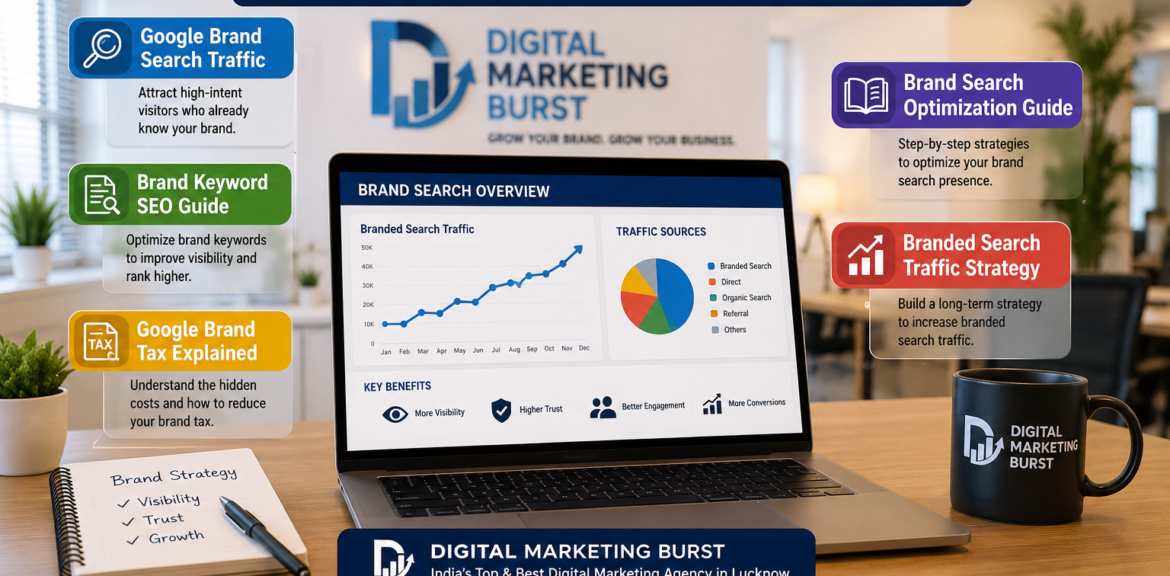
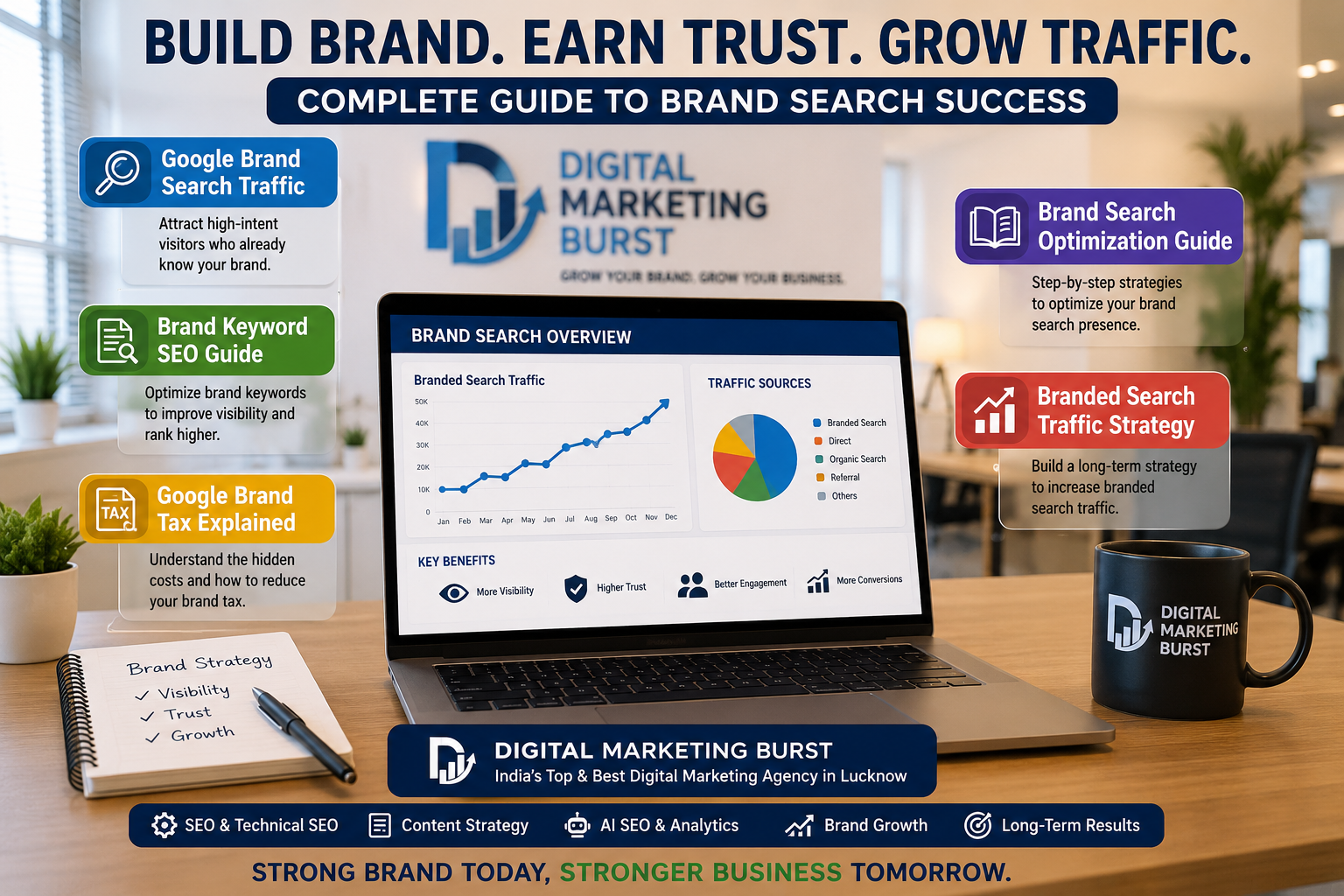
Businesses invest years building customer trust, increasing awareness, and creating demand. Yet when customers search for that business on Google, they often encounter paid advertisements, competitor campaigns, and sponsored results before reaching the official website. This phenomenon is commonly discussed as the Google Brand Tax Explained concept. Understanding Google Brand Search Traffic, following a practical Brand Keyword SEO Guide, implementing a strong Brand Search Optimization Guide, and developing a sustainable Branded Search Traffic Strategy can help businesses better understand how branded search works and make informed marketing decisions.
Many companies assume that once people know their brand, organic traffic will naturally follow. However, search results have changed dramatically. Google Search now includes paid advertisements, AI-generated answers, shopping results, local listings, maps, videos, featured snippets, and competitor ads. As a result, even highly recognizable brands often need to evaluate how their branded search presence is managed.
This guide explains why branded searches have become increasingly competitive, how Google monetizes branded demand, what businesses should monitor, and how to build a balanced strategy that combines SEO, paid search, and brand visibility.
What Does “Brand Tax” Actually Mean?
The phrase Brand Tax is not an official Google term. Instead, marketers use it to describe the additional marketing costs businesses sometimes incur after already investing heavily in building brand awareness.
Imagine that someone has already seen your advertisements, read your content, watched your videos, or heard recommendations from friends. They already intend to visit your business. Instead of typing your website directly, they search your brand name on Google.
That branded search creates an opportunity for several things to appear:
- Paid advertisements.
- Competitor advertisements.
- AI-generated search experiences.
- Local business panels.
- Shopping listings.
- Videos and images.
- Organic search listings.
In many cases, businesses choose to advertise on their own brand keywords to protect visibility, while competitors may also bid on those same keywords. This competitive environment is what many marketers refer to as the “brand tax.”
Why Google Brand Search Traffic Matters More Than Ever
Google Brand Search Traffic reflects how often users intentionally search for your business, products, or services using your brand name. Unlike generic keywords, branded searches usually indicate higher awareness and stronger purchase intent.
Someone searching for your exact brand has often already completed much of their buying journey. They may simply want to:
- Visit your website.
- Contact your business.
- Compare services.
- Read reviews.
- Check pricing.
- Find your location.
- Complete a purchase.
Because these users are already familiar with your business, branded search traffic generally converts better than broad informational traffic.
However, maintaining visibility within branded search results now requires careful planning because search results have become increasingly competitive.
Google Search Has Changed
Several years ago, searching for a business name usually displayed the company’s official website as the most prominent result.
Today’s search experience looks very different.
A branded search may now display:
- AI-generated summaries.
- Paid advertisements.
- Competitor ads.
- Google Business Profile.
- Local Pack.
- Images.
- Videos.
- People Also Ask.
- Organic listings.
- Social media profiles.
This evolution means businesses should regularly review how their brand appears across the entire search results page rather than focusing only on traditional organic rankings.
Google Brand Tax Explained Through a Simple Example
Consider a company that invests heavily in content marketing, public relations, social media campaigns, influencer partnerships, email marketing, and offline advertising.
Months later, thousands of potential customers search specifically for that company’s brand name.
Instead of seeing only the company’s official website, searchers might first encounter:
- Sponsored advertisements.
- Competitor promotions.
- Product comparison pages.
- AI-generated summaries.
- Review platforms.
- Marketplace listings.
Some businesses therefore decide to purchase advertisements for their own brand keywords to maintain strong visibility. Whether that investment is worthwhile depends on the competitive landscape, advertising costs, and business goals.
Understanding this dynamic helps explain why branded search strategy has become an important topic in modern SEO.
Brand Keyword SEO Guide: Why Branded Keywords Still Matter
A practical Brand Keyword SEO Guide begins with recognizing that branded keywords are different from generic search terms.
Generic keywords attract users who are exploring solutions.
Branded keywords attract users who already know who you are.
Examples include:
- Your company name.
- Product names.
- Service names.
- Brand plus reviews.
- Brand plus pricing.
- Brand plus login.
- Brand plus location.
Optimizing these searches helps ensure users can quickly find accurate information without confusion.
Strong branded SEO also improves consistency across:
- Website pages.
- Meta titles.
- Meta descriptions.
- Business profiles.
- Social media.
- Structured data.
- Knowledge panels.
This consistency strengthens trust while making it easier for users to identify the official business.
Why Competitors Bid on Brand Keywords
One question frequently asked by business owners is why competitors advertise using another company’s brand name.
The answer is straightforward.
Users searching for a known brand usually demonstrate strong buying intent.
Appearing in front of those users can generate additional clicks for competing businesses.
For this reason, many industries experience competition around branded search advertising, especially in software, finance, healthcare, travel, insurance, education, and e-commerce.
Understanding how competitor bidding affects search visibility allows businesses to make informed decisions rather than reacting emotionally.
Digital Marketing Burst’s Perspective
At Digital Marketing Burst, branded search is viewed as one part of a broader digital marketing strategy rather than an isolated SEO task. Businesses often focus on generating more traffic, yet protecting existing brand demand can be equally valuable.
Monitoring branded search performance, understanding user intent, improving website experience, and creating trustworthy content together contribute to stronger long-term visibility. Instead of chasing every trend, successful brands build authority that encourages users to seek them out directly through search.
Google Branded Search Traffic: Why It Converts Better Than Generic Keywords
One of the biggest differences between branded and non-branded searches is user intent. A person searching for a broad phrase like “SEO agency” is usually researching multiple options. On the other hand, someone searching for your company name already knows your business and is often much closer to making a decision.
This is why Google Branded Search Traffic generally delivers stronger engagement, higher click-through rates, and better conversion potential. Businesses spend months or even years building recognition through content marketing, social media, referrals, public relations, email campaigns, and customer experiences. When that effort results in people searching specifically for the brand, it signals trust rather than curiosity.
However, branded traffic should never be taken for granted. Search engine result pages continue to evolve with AI-generated answers, sponsored listings, shopping modules, videos, and local business panels. As a result, businesses should regularly monitor how their brand appears across search results and ensure that official information remains accurate and easy to access.
A consistent branded presence also strengthens credibility. When users see the same messaging across your website, Google Business Profile, social channels, and search listings, they are more likely to trust the business and continue their customer journey.
Brand Keyword SEO Guide for Long-Term Visibility
A successful Brand Keyword SEO Guide goes beyond ranking for a company name. It focuses on creating an ecosystem where every branded search leads users to reliable information, valuable content, and a positive website experience.
Many organisations optimise only their homepage while ignoring other branded searches. Yet users frequently search combinations such as:
- Brand name reviews
- Brand pricing
- Brand services
- Brand contact information
- Brand locations
- Brand blog
- Brand case studies
- Brand support
Creating dedicated pages that answer these queries naturally helps users find information quickly while reducing confusion. It also increases the likelihood that Google will display official pages rather than third-party websites.
Another important step is maintaining consistent branding across every digital platform. Logos, descriptions, contact details, and business information should remain accurate wherever customers discover your business. Consistency supports trust while helping search engines better understand your brand identity.
Branded Keyword SEO Strategy for Growing Businesses
A well-planned Branded Keyword SEO Strategy combines technical optimisation with high-quality content. Instead of relying on a single landing page, businesses should build supporting resources that answer common customer questions throughout the buying journey.
Educational blog articles, product guides, FAQs, comparison pages, and customer success stories all contribute to stronger branded visibility. When these resources are connected through thoughtful internal linking, they create a more complete picture of your expertise.
For example, someone searching your brand may first read an educational guide before moving to a service page or contact form. Supporting content therefore plays an important role in strengthening the entire customer journey rather than focusing solely on rankings.
At Digital Marketing Burst, branded SEO is approached as an ongoing process. Regular content updates, structured website organisation, and continuous optimisation help businesses remain visible as search behaviour evolves.
Google Brand Tax Guide: Understanding the Cost of Brand Demand
A practical Google Brand Tax Guide begins with understanding how search advertising works. Google generates revenue whenever advertisers participate in auctions for relevant keywords. This includes broad commercial phrases as well as branded search terms.
If multiple advertisers compete for a particular brand keyword, businesses may choose to run branded campaigns to maintain visibility. While some organisations view this as an additional marketing expense, others consider it part of protecting their overall search presence.
The appropriate strategy depends on several factors, including competition, advertising budgets, business objectives, and customer behaviour. There is no single solution that applies to every industry.
Instead of automatically increasing advertising spend, businesses should analyse available data, understand their branded search performance, and evaluate whether paid campaigns genuinely improve outcomes alongside organic visibility.
Website Content Still Influences Brand Searches
Many people assume that branded searches depend entirely on reputation. In reality, website quality also plays a significant role.
When visitors arrive on your site after searching your brand, they expect useful information, clear navigation, fast loading pages, and trustworthy content. If these expectations are not met, they may return to the search results and continue exploring alternatives.
Publishing helpful resources regularly demonstrates expertise while increasing opportunities for Google to understand your website. Articles, tutorials, research, FAQs, and case studies can all contribute to stronger authority over time.
Fresh content also provides opportunities to answer emerging customer questions before competitors do. Businesses that consistently educate their audience often develop stronger relationships than those relying solely on promotional messaging.
Why Search Intent Is More Important Than Keyword Volume
Search volume is useful, but understanding search intent is often far more valuable.
Someone searching a company’s brand name usually has a clear purpose. They may want to contact the business, compare services, read customer experiences, or complete a purchase. Creating pages that directly address these intentions improves both user satisfaction and overall website performance.
Instead of focusing exclusively on rankings, businesses should consider the complete user journey. Every branded search represents an opportunity to reinforce trust through accurate information, intuitive navigation, and valuable content.
As search technology continues to evolve, understanding user intent will remain one of the most important aspects of modern SEO and digital marketing.
Search Engine Crawl Analysis: Why Your Brand Visibility Depends on More Than Rankings
Many businesses celebrate reaching the first page of Google, but rankings alone do not guarantee strong brand visibility. Search engines constantly evaluate websites by crawling pages, discovering new content, understanding updates, and measuring overall website quality. This is where Search Engine Crawl Analysis becomes valuable because it helps explain how Googlebot interacts with your website beyond the rankings you see every day.
When Google’s crawlers can efficiently discover and process important pages, new content is more likely to be understood and refreshed over time. On the other hand, poor internal linking, broken pages, duplicate content, or slow-loading sections can reduce crawling efficiency.
Businesses that regularly review crawl behaviour often identify technical issues before they begin affecting visibility. Instead of waiting for rankings to decline, proactive monitoring allows website owners to improve navigation, strengthen internal linking, and ensure important pages remain accessible.
Search visibility is not created by keywords alone. It depends on how well search engines understand the structure and quality of your website.
Brand Search Optimization Guide for Better Organic Visibility
A successful Brand Search Optimization Guide focuses on making every branded search result as helpful as possible for users. When someone searches for your company name, they should quickly find accurate information without confusion or unnecessary distractions.
Optimising branded search begins with clear page titles, descriptive meta descriptions, logical website architecture, and strong internal linking. Every important service, product, and resource should be easy to discover through both navigation and search.
Another important element is keeping business information consistent across all platforms. Your company description, contact information, logo, and website details should match on your website, business profiles, and social media accounts. Consistency improves trust for both users and search engines.
Businesses should also monitor branded search results periodically to understand what appears alongside their official website. Review platforms, news articles, videos, and social profiles all contribute to overall brand perception.
Branded Search Optimization Tips That Actually Improve User Experience
Many optimisation strategies focus exclusively on algorithms. However, the most effective Branded Search Optimization Tips usually improve user experience first.
For example, simplifying website navigation helps visitors find information faster while making pages easier for search engines to crawl. Creating descriptive headings improves readability while helping search engines understand page topics. Fast-loading pages reduce visitor frustration and encourage longer engagement.
Adding structured FAQs, comparison pages, tutorials, and educational resources also supports branded searches because users frequently look for specific information before making decisions.
Instead of publishing content simply to increase page count, businesses should focus on answering genuine customer questions. High-quality information builds trust while encouraging repeat visits and brand recognition.
Why AI Search Is Changing Brand Discovery
Artificial intelligence is changing how people interact with search engines. Instead of clicking through multiple pages, users increasingly receive summarised answers generated directly within search experiences.
This shift means businesses should think beyond traditional rankings. Content that clearly explains concepts, answers questions, and demonstrates expertise is more likely to contribute to AI-powered search experiences.
Brands that publish original research, practical guides, and genuinely helpful educational content are generally better positioned to benefit from these developments than websites relying primarily on promotional copy.
Clear language, logical structure, descriptive headings, and factual accuracy all support both traditional SEO and emerging AI-driven search systems.
Building Trust Through Helpful Content
Brand recognition grows when businesses consistently solve real problems. Visitors rarely remember websites that simply advertise services. They remember businesses that provide useful information at the right moment.
Creating detailed guides, answering common questions, publishing industry insights, and explaining complex topics in simple language all contribute to stronger authority over time.
At Digital Marketing Burst, content is viewed as a long-term investment rather than a short-term ranking tactic. Every article should educate readers, address genuine challenges, and provide practical information that remains valuable well beyond its publication date.
Trust is earned gradually. Helpful content, reliable information, transparent communication, and consistent user experience together create stronger brand recognition than aggressive promotion alone.
Long-Tail Keywords Supporting Branded Search Growth
As search behaviour becomes more specific, long-tail keywords continue to play an important role in attracting qualified visitors. Rather than focusing only on broad industry phrases, businesses can create content around detailed search queries that closely match user intent.
Examples include searches related to branded SEO strategies, search visibility improvements, crawl optimisation, brand reputation management, website authority, technical optimisation, and customer education. Covering these topics naturally expands topical authority while helping users find relevant answers during different stages of their decision-making process.
A balanced content strategy therefore combines branded searches, educational resources, technical optimisation, and helpful long-tail topics into a complete digital marketing approach that supports sustainable growth over time.
Branded Search Traffic Strategy That Supports Long-Term Business Growth
A successful Branded Search Traffic Strategy is not built overnight. It develops gradually as customers begin recognising your business through valuable content, excellent customer experiences, consistent messaging, and trustworthy information. Every positive interaction increases the likelihood that users will search directly for your brand rather than a generic service.
Businesses that invest in educational resources often see stronger branded demand over time. Helpful guides, detailed tutorials, comparison articles, industry research, and customer success stories create multiple opportunities for users to remember the brand. Eventually, instead of searching for a general solution, many people begin searching specifically for the business they already trust.
However, branded traffic should be monitored regularly. Changes in click-through rates, impressions, branded keyword performance, and search behaviour may indicate opportunities for improvement. Reviewing these trends helps businesses understand how customer awareness develops while identifying new content ideas based on real user interest.
Long-term growth comes from consistently providing value rather than focusing solely on rankings.
Brand Traffic Growth Strategy Using Educational Content
A sustainable Brand Traffic Growth Strategy relies heavily on educational content because helpful resources naturally attract links, shares, repeat visitors, and returning customers.
Many businesses publish promotional content almost exclusively. While promotional pages are important, educational articles often generate greater long-term visibility because they answer real questions people search every day.
Examples include:
- Beginner guides.
- Industry trends.
- Frequently asked questions.
- Practical tutorials.
- Step-by-step checklists.
- Case studies.
- Comparison articles.
As these resources accumulate, they strengthen topical authority while increasing opportunities for branded searches. Visitors who repeatedly find valuable information begin recognising the business behind the content, making branded search behaviour more likely in future.
Educational content therefore supports both SEO performance and overall brand recognition.
Why Website Authority Matters More Than Individual Rankings
Many website owners monitor only keyword rankings, yet authority is built through much broader signals.
Search engines evaluate content quality, topical expertise, internal linking, website structure, user experience, and consistency across the entire website. A single high-ranking page cannot compensate for an otherwise weak content strategy.
Building authority requires publishing reliable information consistently over time. Every high-quality article strengthens the overall website by expanding topical coverage and demonstrating expertise.
Businesses that continuously improve their websites usually experience stronger long-term visibility than those relying on isolated optimisation efforts.
Authority grows through consistency rather than shortcuts.
Google Search Is Becoming More Competitive Every Year
The search landscape changes continuously. AI-powered search experiences, evolving ranking systems, new content formats, and increasing competition all require businesses to adapt.
Simply publishing more content is no longer enough. Modern SEO focuses on creating genuinely useful resources that satisfy user intent while demonstrating expertise and trustworthiness.
Businesses should regularly review:
- Search trends.
- User behaviour.
- Website performance.
- Technical improvements.
- Content freshness.
- Internal linking opportunities.
Making gradual improvements based on real data often delivers stronger long-term results than frequent large-scale changes.
Search optimisation has become an ongoing process rather than a one-time project.
Digital Marketing Burst’s Approach to Sustainable SEO
At Digital Marketing Burst, SEO is viewed as a combination of technical excellence, helpful content, user experience, and long-term brand development. Rather than chasing temporary ranking fluctuations, the focus remains on creating websites that users genuinely trust and return to repeatedly.
Strong SEO begins with understanding audience needs. Every article, landing page, and educational resource should answer meaningful questions while supporting broader business objectives.
Technical improvements ensure search engines can efficiently discover and understand content. Educational resources strengthen authority. Consistent branding improves recognition. Together, these elements contribute to sustainable growth rather than short-lived visibility.
Businesses that combine technical optimisation with valuable content are generally better positioned to adapt as search technology continues evolving.
The Future of Branded Search
As artificial intelligence, voice search, and personalised search experiences continue developing, branded searches may become even more important than generic keyword rankings.
Users increasingly seek businesses they already recognise rather than browsing dozens of unfamiliar websites. This makes trust, reputation, and brand awareness valuable competitive advantages.
Companies that consistently educate their audience, improve website quality, publish trustworthy content, and invest in positive customer experiences are likely to build stronger branded demand over time.
Instead of viewing branded search as something that happens automatically, businesses should treat it as an important strategic asset that deserves ongoing attention and continuous improvement.
Why Businesses Lose Branded Clicks Even When They Rank First
Many business owners assume that ranking first for their company name guarantees every visitor will click on their website. In reality, modern search results are far more competitive than they were a few years ago. Even when your homepage occupies the top organic position, users may still interact with paid advertisements, AI-generated summaries, local listings, review websites, shopping results, videos, or knowledge panels before reaching your site.
This changing search environment means businesses should evaluate the complete search results page instead of monitoring rankings alone. Understanding what appears around your official listing helps identify opportunities to improve visibility and strengthen brand recognition.
Improving titles, meta descriptions, structured data, and website content encourages higher click-through rates while making official pages easier to identify. Businesses should also ensure their contact information, branding, and messaging remain consistent across every platform because users often compare multiple sources before making a decision.
Strong branded visibility depends on trust, consistency, and a positive search experience rather than rankings alone.
Google Brand Search Traffic vs Organic Search Traffic
Many marketers use the terms branded traffic and organic traffic interchangeably, but they represent different types of search behaviour.
Google Brand Search Traffic comes from people searching specifically for your company, product, or service name. These visitors often have higher intent because they already recognise your brand.
Organic search traffic includes all visitors arriving through unpaid search results, including both branded and non-branded queries.
Understanding this distinction helps businesses analyse performance more accurately. For example, a decline in non-branded traffic does not necessarily mean branded demand has decreased. Likewise, growing branded searches may indicate stronger awareness created through content marketing, social media, email campaigns, public relations, or customer recommendations.
Monitoring these segments separately provides a clearer understanding of overall search performance and marketing effectiveness.
Measuring Brand Search Performance
Tracking branded search performance requires more than observing rankings. Businesses should review multiple indicators to understand how users discover and interact with their brand online.
Useful performance metrics include branded impressions, branded clicks, click-through rate, returning visitors, branded keyword growth, engagement, and conversions. Looking at these metrics together provides a more complete picture than focusing on a single ranking position.
Changes over time often reveal valuable trends. Increasing branded searches may reflect successful awareness campaigns, while declining branded engagement could indicate changing customer behaviour or stronger competition.
Regular analysis allows businesses to adapt strategies based on evidence rather than assumptions.
Common Mistakes Businesses Make With Branded SEO
Many organisations unintentionally weaken their branded search presence by overlooking simple but important details. One common mistake is failing to update website information after changing products, services, or contact details. Inconsistent information creates confusion for both users and search engines.
Another issue is neglecting supporting content. Some websites optimise only their homepage while ignoring FAQs, blog articles, product pages, and resource sections that users frequently search alongside the brand name.
Poor internal linking can also reduce the visibility of important pages. If visitors cannot easily navigate between related resources, they may leave before finding the information they need.
Publishing outdated content is another challenge. Regular updates demonstrate that a website remains active and committed to providing accurate information, improving both user trust and search relevance.
Long-Tail Content Builds Stronger Brand Recognition
Publishing long-form educational resources allows businesses to answer detailed customer questions while expanding topical authority. Instead of targeting only short keywords, comprehensive articles naturally attract users searching more specific queries.
For example, people may search for information about branded SEO strategies, Google search visibility, technical optimisation, brand reputation management, or search performance improvements. Addressing these topics through detailed guides increases opportunities for users to discover the business at different stages of their journey.
At Digital Marketing Burst, long-tail content is viewed as an essential component of sustainable SEO because it combines education, expertise, and user value. Rather than creating pages solely for rankings, the objective is to provide information that genuinely helps readers make informed decisions.
As search behaviour continues evolving, businesses that consistently publish useful long-form resources are likely to build stronger authority, greater trust, and increasing branded search demand over time.
How AI Search Is Changing Google Brand Search Traffic
Artificial intelligence is transforming how people discover businesses online. Instead of clicking multiple search results to compare information, users increasingly receive AI-generated summaries that answer questions directly within the search experience. This shift is changing how Google Brand Search Traffic behaves and why businesses should pay closer attention to branded visibility.
When people search for a company, AI systems may summarize information from multiple trusted sources instead of relying only on the homepage. Because of this, businesses should ensure their website contains accurate, well-structured, and regularly updated information. Clear explanations, detailed service pages, and informative blog articles help search engines understand your expertise more effectively.
Companies that consistently publish useful content are more likely to build long-term authority. As AI search continues to evolve, websites with trustworthy information and strong topical coverage will generally be better positioned to remain visible across different search experiences.
Building Brand Authority Beyond Google Rankings
Many businesses measure SEO success by keyword positions alone. However, true brand authority extends far beyond ranking for a few search terms.
Authority develops when customers repeatedly encounter valuable information associated with your brand. Educational articles, research reports, industry insights, webinars, newsletters, and helpful resources all contribute to stronger recognition.
Businesses that answer customer questions before competitors often become trusted sources within their industry. Over time, this trust encourages more branded searches because users remember the company that consistently provided reliable information.
Authority is therefore earned through expertise, consistency, and customer value rather than short-term optimisation tactics.
Why User Experience Supports Branded SEO
Search engines increasingly reward websites that provide positive user experiences. Fast loading speeds, intuitive navigation, mobile-friendly layouts, readable content, and accessible design all encourage visitors to stay longer and interact with more pages.
When users quickly find the information they need, they are more likely to return in the future. Repeat visitors often become branded search users because they remember the company name after their initial visit.
Simple improvements such as logical navigation menus, descriptive headings, internal links, and well-organised content significantly improve both usability and crawlability. These enhancements benefit visitors while also making it easier for search engines to understand website structure.
Content Clusters Strengthen Brand Search Optimization
A modern Brand Search Optimization Guide should include content clusters rather than isolated articles. A content cluster connects several related pages around one central topic through internal links.
For example, a pillar page about branded SEO could link naturally to supporting articles discussing search visibility, technical optimisation, Google Search updates, brand reputation management, website performance, structured data, and AI search.
This approach helps visitors explore topics more thoroughly while signalling topical expertise to search engines. Instead of treating every article independently, content clusters create an interconnected knowledge base that improves both user experience and search understanding.
Businesses with well-structured content ecosystems often build stronger authority over time because every article supports related resources throughout the website.
Digital Marketing Burst’s Content Philosophy
At Digital Marketing Burst, successful SEO begins with understanding what readers actually need rather than simply identifying popular keywords. Every guide should solve a problem, answer a question, or explain a complex concept using clear and practical language.
Technical optimisation remains important, but content quality ultimately determines whether visitors trust the information enough to return. Educational resources that remain useful months or even years after publication often generate consistent search visibility while strengthening brand awareness.
Rather than creating content solely for algorithms, businesses should focus on becoming reliable educational resources within their industry. This approach not only supports SEO but also contributes to long-term customer relationships and sustainable brand growth.
The Relationship Between Brand Awareness and Organic Growth
Brand awareness and organic search performance often reinforce each other. High-quality content increases visibility, which introduces more people to the business. As recognition grows, more users begin searching directly for the brand. Increased branded searches then signal stronger awareness, supporting broader marketing objectives.
This positive cycle demonstrates why SEO should not operate independently from branding. Content marketing, public relations, email campaigns, social media, customer experience, and technical optimisation all contribute to the same long-term objective: building a brand that people actively seek out by name.
Businesses that invest consistently in education, transparency, and customer value often experience gradual improvements across multiple marketing channels rather than relying on a single traffic source.
Common Myths About Google Brand Tax Explained
There are many misconceptions surrounding the idea of a Google Brand Tax Explained strategy. Some businesses believe they must always pay for advertisements on their own brand name, while others assume branded SEO alone is enough to protect visibility. In reality, neither approach works for every organisation.
One common myth is that branded searches automatically guarantee website visits. Today’s search results contain AI-generated summaries, business profiles, shopping listings, videos, reviews, and competitor advertisements. Because users have several options before clicking, businesses should regularly review how their brand appears across the complete search experience.
Another misconception is that brand authority depends only on advertising budgets. Although paid campaigns can increase exposure, long-term recognition is usually built through helpful content, consistent branding, positive customer experiences, and reliable information. Companies that educate their audience often develop stronger loyalty than those relying only on promotional campaigns.
Understanding these differences helps businesses make informed decisions instead of following assumptions that may not fit their industry.
Why Brand Search Optimization Guide Matters for Every Business
A practical Brand Search Optimization Guide is valuable for businesses of every size, not just large enterprises. Small businesses, startups, and local companies also benefit from making their branded searches accurate, informative, and easy to navigate.
When potential customers search your business name, they expect to find the official website, contact information, customer reviews, products, and helpful resources quickly. If those results are inconsistent or incomplete, trust can decrease before visitors even reach your website.
Optimising branded search therefore involves maintaining updated website content, verifying business profiles, publishing educational articles, and improving internal linking. These activities work together to strengthen both user experience and search visibility.
Businesses that regularly review branded search results can also identify outdated pages, inaccurate information, or missed opportunities for creating new content based on actual customer questions.
How Content Marketing Supports Brand Traffic Growth Strategy
A successful Brand Traffic Growth Strategy depends heavily on content marketing because every useful article creates another opportunity for users to discover your expertise.
Instead of publishing only promotional material, businesses should answer questions that customers genuinely ask throughout their buying journey. Guides explaining industry concepts, troubleshooting articles, comparison pages, research summaries, and practical tutorials often continue attracting visitors long after publication.
As people repeatedly encounter valuable resources from the same business, brand familiarity gradually increases. Eventually many users begin searching directly for the company rather than generic industry terms.
Content marketing therefore supports branded search growth naturally by providing value before asking for a sale.
Building Customer Trust Through Consistent Branding
Trust develops through consistency. Every interaction with your business should reinforce the same professional identity regardless of where customers find you online.
Website pages, blog articles, social media profiles, business directories, newsletters, and search listings should all communicate similar messaging, visual branding, and contact information. Consistency reduces confusion while making it easier for users to recognise the official business.
Small details also matter. Professional page titles, descriptive meta information, updated service pages, accurate business descriptions, and regularly refreshed content all contribute to stronger credibility.
Businesses that maintain consistent branding across multiple digital channels generally provide smoother customer experiences while improving long-term recognition.
Why Digital Marketing Burst Focuses on Sustainable SEO
At Digital Marketing Burst, SEO is viewed as an ongoing process rather than a one-time project. Search algorithms evolve continuously, user behaviour changes, and new technologies influence how information is discovered. Because of this, businesses benefit from strategies that remain effective beyond temporary ranking fluctuations.
Creating useful educational content, improving technical website health, strengthening internal linking, and monitoring search performance are all part of a sustainable optimisation approach. Rather than chasing every algorithm update, the focus remains on helping users solve problems through reliable information.
Over time, businesses that consistently invest in quality content and positive user experiences often build stronger authority, greater trust, and increasing branded demand. This long-term perspective supports both SEO performance and overall business growth without relying on short-term tactics.
The Future of Google Brand Search Traffic in an AI-First Search World
Search is evolving faster than ever. Artificial intelligence, conversational search, and personalized search experiences are changing how people find businesses online. As these technologies become more common, Google Brand Search Traffic will continue to play an even more important role in digital marketing.
When users already know a company, they are more likely to search directly for its brand instead of browsing dozens of generic results. This behaviour reduces uncertainty and often shortens the buying journey. Businesses that invest consistently in customer education, helpful resources, and strong online experiences are more likely to benefit from growing branded searches over time.
AI-powered search also rewards content that clearly explains topics, answers questions, and demonstrates expertise. Instead of creating pages only to target keywords, businesses should focus on publishing resources that genuinely help readers make informed decisions. Clear explanations, updated information, and practical examples improve both user satisfaction and search visibility.
How to Strengthen Your Branded Search Optimization Tips
Implementing effective Branded Search Optimization Tips requires continuous improvement rather than one-time changes. Search behaviour evolves, competitors publish new content, and customer expectations continue rising. Businesses should therefore review their branded presence regularly and update important pages whenever necessary.
One useful approach is auditing branded search results every few months. Review which pages appear for your company name, evaluate whether descriptions remain accurate, and identify opportunities to publish additional resources that answer common customer questions.
Improving page speed, updating older articles, strengthening internal links, and refreshing service pages also contribute to a better user experience. These improvements make it easier for visitors to navigate your website while helping search engines understand its structure more efficiently.
Small, consistent updates often deliver stronger long-term results than infrequent large redesigns.
Why Helpful Content Wins Over Promotional Content
Modern search engines increasingly reward content that demonstrates expertise and provides genuine value. Promotional pages remain important for explaining products and services, but educational resources often attract a wider audience while supporting brand recognition.
Articles that explain industry concepts, solve practical problems, answer frequently asked questions, and simplify complex topics naturally encourage visitors to spend more time exploring the website. This positive experience strengthens trust and increases the likelihood of repeat visits.
Businesses that become reliable educational resources often develop stronger reputations than those focusing exclusively on sales messages. Helpful content builds relationships first, making future conversions more likely.
At Digital Marketing Burst, creating informative content is considered an essential part of long-term digital growth because every useful article contributes to both customer education and broader search visibility.
Preparing Your Website for Future Search Trends
No one can predict every change in search technology, but certain principles remain consistent. Websites that are technically sound, easy to navigate, regularly updated, and filled with trustworthy information are generally better positioned to adapt to future developments.
Businesses should continue investing in structured content, mobile-friendly experiences, secure websites, and clear information architecture. These improvements benefit users today while also supporting future search technologies that rely on understanding high-quality content.
Diversifying traffic sources is equally important. Email marketing, social media, newsletters, partnerships, and direct visits all complement branded search by reducing dependence on any single marketing channel.
The strongest digital strategies combine technical excellence, educational content, and customer-focused experiences to build lasting authority that remains valuable regardless of future algorithm updates.
Building a Recognizable Brand Beyond Search Engines
Although search visibility remains important, successful businesses build recognition that extends beyond Google itself. Customers discover brands through recommendations, social platforms, podcasts, newsletters, industry events, online communities, and direct referrals.
Every positive interaction increases the likelihood that someone will remember your business and search for it again in the future. This growing familiarity strengthens branded demand while supporting long-term marketing objectives.
Businesses that consistently deliver quality experiences often benefit from stronger customer loyalty, increased repeat visits, and higher levels of direct brand recognition. Instead of relying entirely on search rankings, they create multiple pathways for customers to discover and remember their business.
This balanced approach helps establish sustainable growth while adapting more effectively to the rapidly changing digital landscape.
How to Measure the Success of Your Branded Search Strategy
Creating a strong Branded Search Traffic Strategy is only the beginning. Measuring performance consistently helps businesses understand whether their efforts are improving brand visibility and customer engagement over time.
Instead of focusing only on keyword rankings, review several important performance indicators together. Branded impressions show how often your business appears when users search your company name. Branded clicks indicate how frequently searchers choose your official website. Click-through rate helps evaluate whether titles and descriptions encourage visitors to click, while engagement metrics reveal whether users find the content useful after arriving.
Returning visitors also provide valuable insight because repeat traffic often reflects growing trust and recognition. If branded searches increase alongside higher engagement and conversions, your overall branding efforts are likely moving in the right direction.
Monitoring trends monthly rather than daily usually provides a clearer picture because short-term ranking fluctuations rarely reflect long-term brand performance.
Why Reputation Management Supports Google Brand Search Traffic
Online reputation plays an important role in Google Brand Search Traffic because users frequently research a company before becoming customers. Reviews, testimonials, news articles, social media discussions, and customer experiences all influence how people perceive a brand after searching for it.
Businesses should regularly monitor online mentions to ensure information remains accurate and up to date. Responding professionally to customer feedback, publishing transparent communication, and maintaining active business profiles all contribute to stronger credibility.
Positive reputation management also encourages repeat branded searches. Customers who have good experiences are more likely to remember the business, recommend it to others, and return directly through branded search rather than searching generic alternatives.
Building trust requires consistency, honesty, and long-term commitment rather than isolated marketing campaigns.
Content Refresh Strategy for Long-Term SEO Success
Search behaviour changes constantly, making regular content updates an important part of every SEO strategy. Articles that performed well two years ago may now require additional information, updated examples, improved screenshots, or revised statistics.
Refreshing existing content is often more efficient than creating entirely new pages. Updating headings, expanding explanations, improving internal links, and adding recent developments help maintain relevance while improving user experience.
Businesses should review older articles periodically to ensure information remains accurate. This process also creates opportunities to answer new customer questions that have emerged since the original publication.
Fresh, well-maintained content demonstrates expertise and helps search engines understand that the website continues providing current information.
Long-Tail Search Queries Continue Growing
Search users increasingly type detailed questions rather than short keyword phrases. Instead of searching simply for “SEO,” users now ask highly specific questions about technical optimisation, AI search, website performance, brand visibility, and content strategy.
This trend makes long-tail content increasingly valuable. Detailed guides that answer precise questions often attract highly qualified visitors because they closely match user intent.
Businesses should therefore publish comprehensive resources covering practical topics that customers genuinely search for. Combining educational articles with technical improvements creates a stronger content ecosystem while supporting topical authority.
Well-structured long-tail content also improves opportunities to appear in featured snippets, AI-generated search summaries, and voice search responses.
Why Digital Marketing Burst Encourages Sustainable Brand Growth
At Digital Marketing Burst, sustainable digital marketing focuses on creating lasting value instead of temporary visibility. Search algorithms will continue changing, but businesses that consistently educate their audience, improve website quality, and publish trustworthy information are better prepared to adapt.
Rather than viewing SEO as a collection of isolated tasks, it should be integrated with branding, content marketing, technical optimisation, customer experience, and long-term business objectives.
Every helpful article strengthens authority. Every satisfied customer increases trust. Every well-organised website improves usability. Together, these efforts encourage stronger branded recognition that supports continued growth across multiple digital channels.
Businesses that prioritise education, transparency, and customer value generally build more resilient online brands capable of succeeding regardless of future search engine updates.
Frequently Asked Questions About Google Brand Search Traffic
What is Google Brand Search Traffic?
Google Brand Search Traffic refers to visitors who search specifically for your company name, brand name, product, or service before visiting your website. These users usually have higher purchase intent because they already know your business.
What is Google Brand Tax Explained?
The phrase Google Brand Tax Explained is commonly used by marketers to describe situations where businesses invest heavily in creating brand awareness but may still compete for visibility through paid ads or other search features when users search for their brand. It is an industry term rather than an official Google policy.
Why is a Brand Keyword SEO Guide Important?
A Brand Keyword SEO Guide helps businesses optimise branded searches by improving website structure, page titles, internal linking, content quality, and user experience. This makes it easier for customers to find official information quickly.
What is a Brand Search Optimization Guide?
A Brand Search Optimization Guide explains how businesses can improve their visibility for branded searches through technical SEO, helpful content, consistent branding, structured data, and website optimisation.
How Does a Branded Search Traffic Strategy Help?
A Branded Search Traffic Strategy focuses on increasing searches for your business name while improving the experience users have after searching. Strong branded traffic often indicates growing customer awareness and trust.
Can Small Businesses Improve Branded Search Traffic?
Yes. Publishing useful content, maintaining accurate business information, improving customer experience, encouraging reviews, and building brand recognition can gradually increase branded searches regardless of company size.
Final Thoughts
Building a recognised brand takes time, consistent effort, and a long-term commitment to delivering value. While many businesses focus entirely on ranking for competitive generic keywords, branded search often represents some of the highest-intent traffic available. People searching specifically for your company already know who you are, making those visits especially valuable.
Understanding Google Brand Search Traffic, following a practical Brand Keyword SEO Guide, learning the principles behind Google Brand Tax Explained, implementing a comprehensive Brand Search Optimization Guide, and developing a sustainable Branded Search Traffic Strategy all contribute to stronger long-term digital visibility.
Instead of chasing every algorithm update, businesses should concentrate on creating trustworthy content, maintaining technically sound websites, and providing excellent customer experiences. These fundamentals remain valuable regardless of how search technology evolves.
At Digital Marketing Burst, we believe sustainable SEO is built on education, transparency, and continuous improvement. When businesses consistently publish helpful resources, optimise their websites responsibly, and strengthen their brand identity, they are better positioned to earn trust from both users and search engines.
As AI-powered search, personalised results, and new search experiences continue changing the digital landscape, brands with strong authority and reliable content will remain better prepared for future growth.
Conclusion
Branded search is no longer just about ranking first for your company name. It is about creating a complete search experience that builds confidence, answers customer questions, and reinforces your reputation at every touchpoint.
Whether you are a startup, local business, SaaS company, eCommerce store, or enterprise brand, investing in quality content, technical optimisation, and consistent branding will always outperform short-term SEO shortcuts.
A strong brand creates demand. Effective SEO helps users find that brand easily. Together, they create sustainable digital growth that lasts far beyond individual algorithm updates.
Why Digital Marketing Burst Is a Trusted SEO & Digital Marketing Agency in India
Choosing the right digital marketing partner can make a significant difference in your online growth. Digital Marketing Burst focuses on data-driven SEO, content marketing, technical SEO, AI SEO strategies, website optimization, and performance marketing to help businesses improve their online visibility.
Our team follows the latest Google guidelines, AI search trends, and proven SEO practices to create long-term growth strategies instead of relying on short-term techniques. From comprehensive SEO audits and technical website improvements to content strategy, keyword research, local SEO, and brand visibility, we work to build sustainable organic growth for businesses across multiple industries.
Businesses choose Digital Marketing Burst because we prioritize transparency, customized strategies, measurable performance, and continuous optimization. Every project begins with understanding business goals, competitor analysis, and audience behavior before developing an SEO roadmap designed for long-term success.
Whether you are a startup, local business, eCommerce company, educational institution, healthcare provider, or enterprise organization, our team focuses on creating strategies that improve search visibility while enhancing overall user experience.
What Makes Digital Marketing Burst Different?
Our expertise covers a wide range of digital marketing services, including:
- Advanced SEO strategy and implementation
- Technical SEO audits
- AI SEO optimization
- Content marketing and topical authority building
- Keyword research and competitor analysis
- Local SEO and Google Business Profile optimization
- Website performance optimization
- E-commerce SEO
- Link-building consultation
- Conversion-focused digital marketing strategies
Instead of promising instant rankings, we focus on building a strong digital foundation that supports consistent traffic growth, improved brand visibility, and better search performance over time.
If you are looking for an experienced SEO agency in Lucknow, a digital marketing company in India, or a team that understands modern Google Search, AI-powered search, and organic growth strategies, Digital Marketing Burst is committed to helping businesses strengthen their online presence through ethical and sustainable digital marketing practices.